Home
Highclere Parish Council
The Parish Council serves the Parish of Highclere. All councillors are unpaid and give their time to improve the quality of life in the Parish which includes Highclere Village, Penwood, Highclere Street, Highclere Castle Estate and Wash Water. The work of the Parish Councillors is detailed in the Minutes of the meetings which are available on this website. Highclere is in North West Hampshire, within the Borough of Basingstoke and Deane and the County of Hampshire.
It lies astride the A343 Newbury to Andover road in the North Wessex Downs National Landscape but is also convenient for the ancient market town of Newbury, with its leisure, cultural and shopping facilities as well as the famous Newbury Racecourse and fast trains to London. Excellent communications also include proximity to the A34 trunk road and the M4 motorway.
- You are invited to sign up for email alerts - see the adjacent button 'Sign up to our Email Alerts'
- You can also follow us on our Facebook page (Highclere Parish Council) and Twitter (@HighclereParish)
For more information on Highclere, events, listings etc please visit www.yourHighclereParish.co.uk
 The stunning Highclere Castle. Photographs are used with Permission from Highclere Castle. Copyright Highclere Castle.
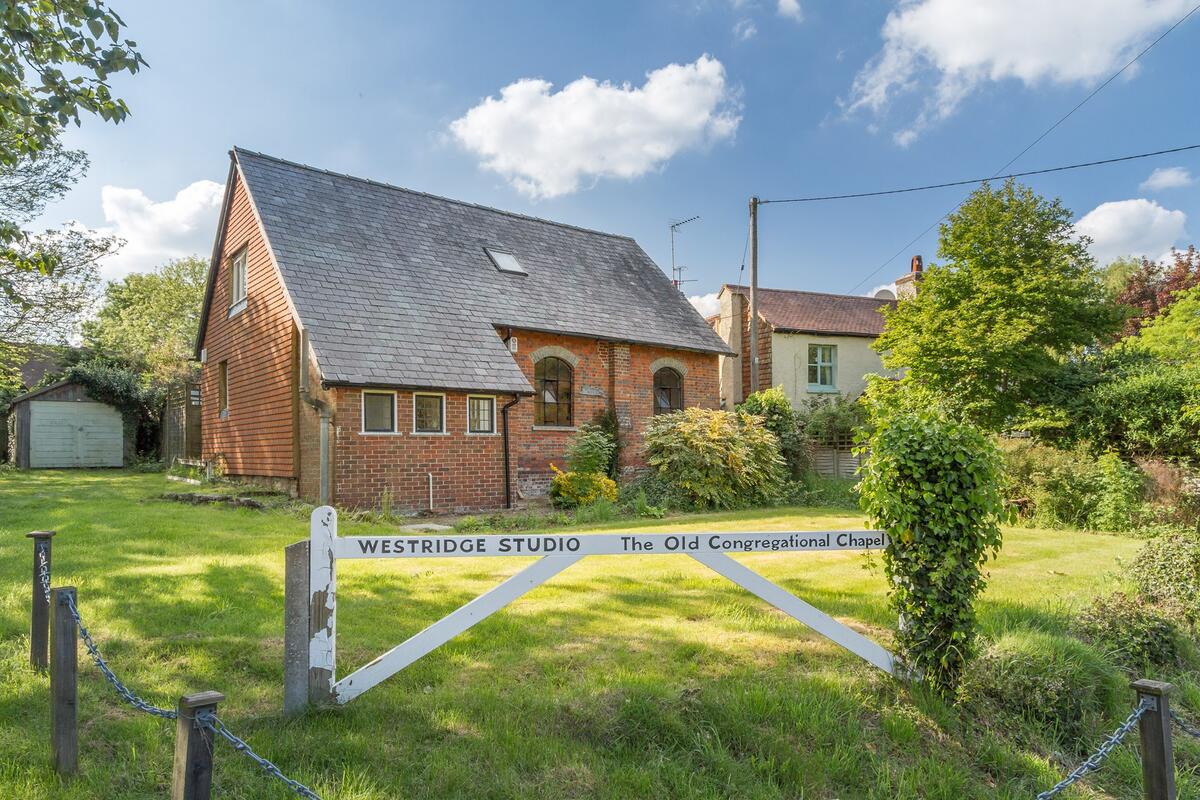
Outstanding features are the magnificent Highclere Castle and its surrounding park, home of the Earl and Countess of Carnarvon; the Parish Church of St Michael & All Angels; Westridge Studio the Highclere Stud and the Highclere Thoroughbred Racing syndicate.
The parish currently has one very popular pub, The Red House and an excellent and very busy village hall hosting a wide range of community activities, and the successful Thorngrove Prep School. The Highclere part of the parish is contiguous with the larger village of Woolton Hill, with infant and primary schools and our local Post Office Stores. Highclere also has its own shop located at Woodlands, Penwood.
For parish council elections there are two wards - Highclere ward and Penwood ward.
 Highclere Church. Copyright David Hogg, Horizon Imaging